
-
Industrial engineer and military logistics officer Michael Curtis Broughton is raising awareness of the critical role that logistics professionals play in delivering aid, supporting emergency response, and sustaining humanitarian operations worldwide.
Huntsville, Texas, Jun 30, 2026, ZEX PR WIRE — When people think about humanitarian missions, disaster response, or military operations, they often picture frontline personnel, rescue teams, and medical workers. Far less attention is given to the logistics professionals responsible for moving food, water, medical supplies, equipment, and personnel to the people who need them most.
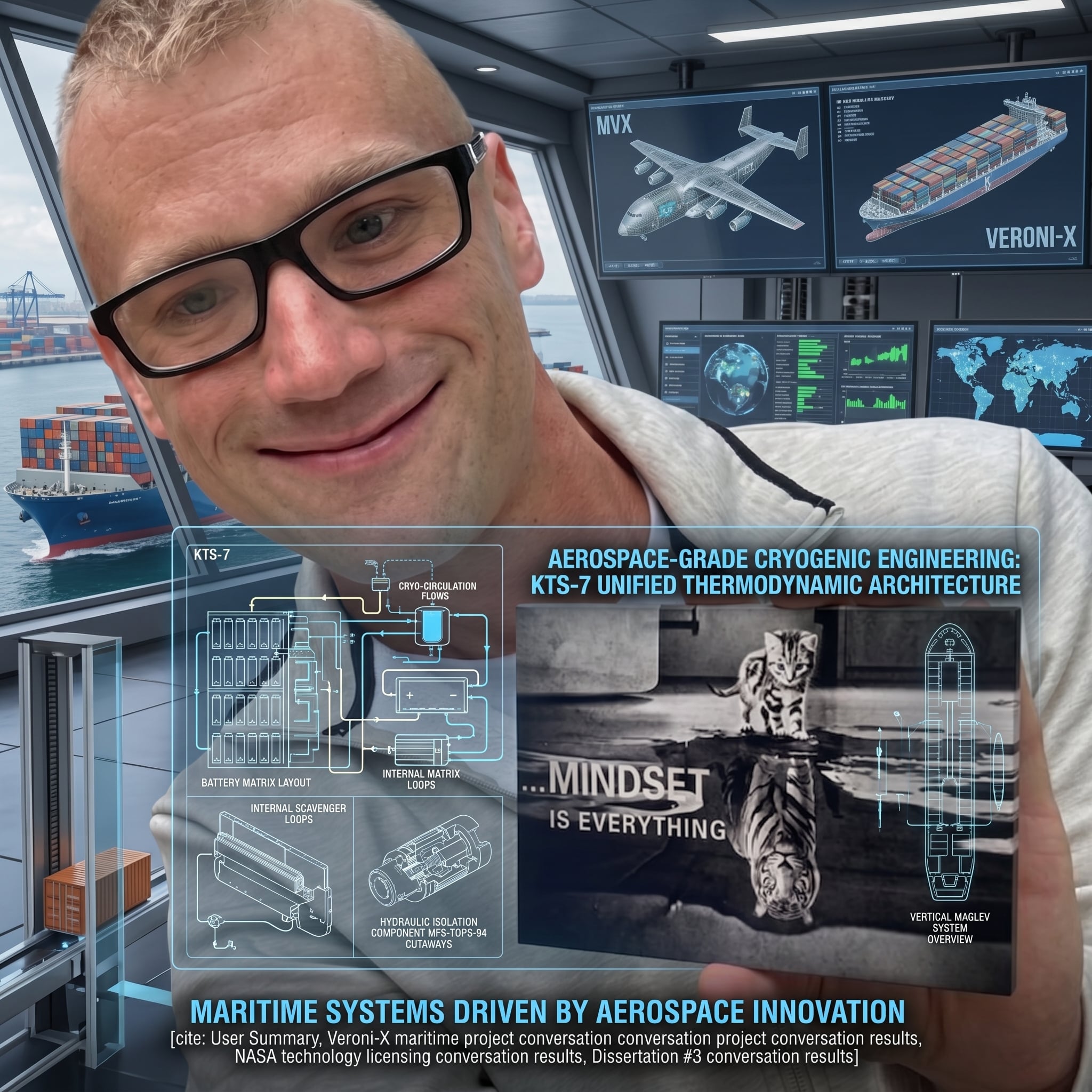
Michael Curtis Broughton, an industrial engineer and military logistics officer, is working to change that.
Drawing on years of experience in military operations and logistics planning, Broughton is encouraging greater recognition of the role logistics professionals play in supporting humanitarian relief efforts and emergency response operations worldwide.
“People rarely see the logistics side of a mission,” said Broughton. “They see supplies arrive. They see aid delivered. What they don’t see is the planning, coordination, transportation, and execution that make those outcomes possible.”
According to the United Nations Office for the Coordination of Humanitarian Affairs (OCHA), more than 300 million people worldwide require humanitarian assistance each year. Delivering aid to affected populations often depends on complex logistics networks operating in difficult environments, including remote regions, conflict zones, and disaster-stricken communities.
Broughton’s own experience reinforced the importance of those systems.
Beginning his military career as an infantryman, he served in active combat environments where sustaining personnel and maintaining operational readiness depended on effective logistics support. Over time, his responsibilities expanded into logistics and transportation operations, where he gained firsthand insight into the critical role supply chains play in mission success.
“One of the lessons I learned early is that logistics isn’t a support function—it’s a mission function,” Broughton said. “When supplies don’t arrive, operations stop. When resources can’t reach people, lives can be put at risk.”
One example of logistics’ impact can be seen in humanitarian airdrop operations. Advanced systems such as the Joint Precision Airdrop System (JPADS) have helped military and humanitarian organizations deliver food, water, and emergency supplies into areas that would otherwise be inaccessible due to terrain, conflict, or infrastructure damage.
“Precision delivery systems changed what was possible,” said Broughton. “You could reach people in places where traditional transportation methods weren’t available. That’s not just about technology. It’s about helping people when they have no other options.”
Industry experts estimate that logistics costs account for approximately 8–10 percent of global GDP, highlighting the scale and importance of transportation and supply chain networks worldwide. During emergencies, the ability to move resources quickly and efficiently often determines how effectively organizations can respond.
Broughton believes that increased public understanding of logistics can benefit both humanitarian organizations and future workforce development.
“There are thousands of professionals working behind the scenes every day to keep supply chains moving,” he said. “Many of them will never be recognized publicly, but their work has a direct impact on communities, businesses, and emergency response efforts.”
As global supply chains face increasing pressure from natural disasters, geopolitical instability, and growing demand, Broughton hopes more attention will be given to the people responsible for keeping critical systems operational.
“Good logistics is often invisible,” he said. “If everything is working, most people never think about it. But when a crisis happens, logistics becomes one of the most important functions in the world.”
Call to Action
Individuals interested in supporting humanitarian and emergency response efforts can learn more about how supply chains operate, support organizations involved in disaster relief, and explore educational pathways in logistics, transportation, engineering, and operations management. Greater awareness of these professions can help strengthen the systems communities rely on during times of crisis.
About Michael Curtis Broughton
Michael Curtis Broughton is an industrial engineer, military logistics officer, researcher, and operations professional based in Texas. His career spans military service, logistics operations, industrial engineering, and supply chain management. He has contributed to logistics planning, transportation systems, distribution center operations, and academic research focused on improving operational performance. Through his work, Broughton advocates for practical, execution-focused approaches to logistics and greater recognition of the professionals who keep critical systems moving.

Disclaimer: The views, suggestions, and opinions expressed here are the sole responsibility of the experts. No Emerald Journal journalist was involved in the writing and production of this article.